Best Fertility Tracking App 2026: 8 Apps Compared for TTC
Quick Answer: Which Fertility App Fits Your Needs?
For an FDA-cleared option: Natural Cycles. For detailed BBT charting: Fertility Friend. For scanning OPK strips: Premom. For privacy-first tracking: Clue. For a fully free option: Ovia. For fertility alongside nutrition and wearable data: Veya. For community: Glow. For a familiar tracker with TTC mode: Flo.
- Best for an FDA-cleared option: Natural Cycles. Temperature-based algorithm; FDA De Novo for contraception and conception (DEN170052)
- Best for detailed charting: Fertility Friend. 25+ years of BBT charting, a large educational library, and a free tier
- Best for OPK scanning: Premom. Scan your OPK strips and track LH progression
- Best for fertility plus wider health tracking: Veya. Logs BBT, LH and cervical mucus, and can pull temperature from an Apple Watch, Oura or Garmin. Free to download, no ads
- Best for privacy-first tracking: Clue. Berlin-based and GDPR-governed, with a Clue Conceive mode
- Best for community support: Glow. Community forums for people trying to conceive
- Best for TTC mode in a period tracker: Flo. Familiar interface with a TTC mode
- Best fully free option: Ovia Fertility. Free, with no in-app purchases listed on the App Store
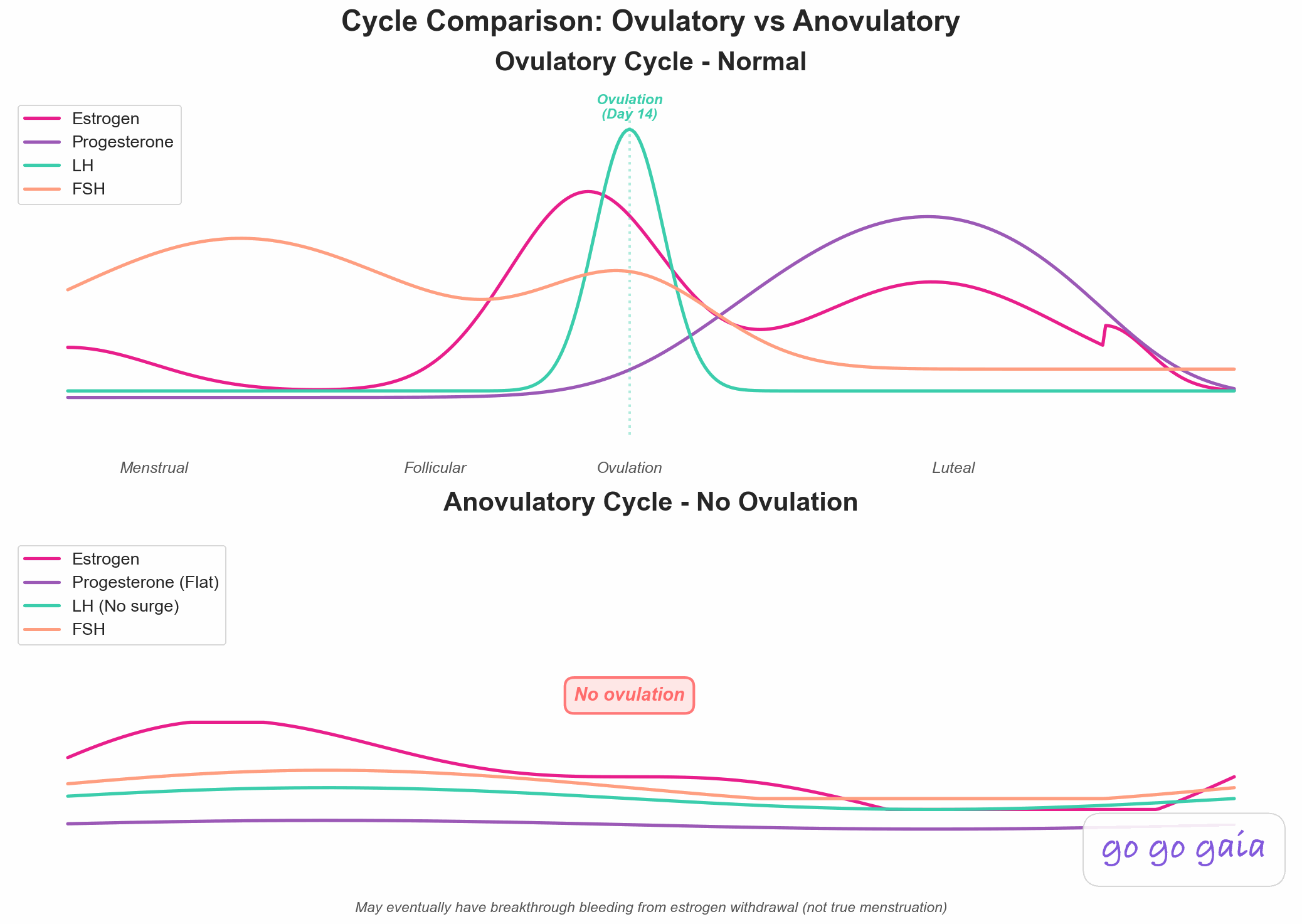
You're trying to conceive and your phone is full of apps telling you different things about your fertile window. Here's how 8 popular fertility apps actually stack up on ovulation detection, BBT charting, and helping you time things right. If you'd rather see what Veya does for fertility tracking on its own, the fertility tracker page walks through it.
How We Picked These Apps
We shortlisted the 8 apps compared below from what people trying to conceive actually use, and compared them on the criteria that matter most here: BBT charting, LH/OPK test tracking, cervical mucus logging, and wearable integration. We checked each app's App Store listing (price, rating, privacy label, latest version) first-hand on October 16, 2026, along with its feature and pricing pages, and we read each app's current privacy policy rather than relying on its marketing pages.
Full disclosure: this site is published by Holland Neurotech Inc., the maker of Veya. The list isn't ranked — each app is presented as the fit for a specific need — we include our own app only where it genuinely belongs, and we say plainly when a competitor is the better choice.
The World Health Organization estimates that about 1 in 6 adults worldwide experience infertility at some point (WHO, 2023). If you're trying to conceive, timing matters: you have only a few fertile days each cycle, and the best odds come in the days just before ovulation. Miss that window and you're waiting another month.
A good fertility app helps you pinpoint that window. But not all apps do it the same way, and the differences matter. Some rely on calendar math (the least direct method). Others use your BBT data, LH test results, or wearable sensor readings. This guide compares 8 apps on how well they actually help you find your fertile window. If you're not yet sure what to track, see how to tell if you're ovulating for the body signals to look for first. For a rough fertile-window estimate before you start tracking signs, try the free ovulation calculator, which uses your last period and cycle length.
Full Transparency
This guide is published by Holland Neurotech Inc., the company behind Veya. We've compared each app based on its actual fertility features, recent user reviews, and publicly available information. Every app here has real strengths, and the best one for you depends on your specific situation.
Our goal is to help you make an informed decision, whether that leads you to Veya or another app that better fits your needs.
How We Compared
To compare these 8 fertility tracking apps, we checked each one against the same checklist: BBT charting, LH/OPK test logging, cervical mucus tracking, wearable integration, pricing, and privacy record. For each app we reviewed its current App Store listing, published pricing, privacy policy, and recent user reviews. Veya is our own app; we held it to the same checklist and note where competitors are stronger.
Last reviewed: October 9, 2026
Educational content, not medical advice. If you have concerns about your fertility, or you've been trying to conceive for a while, please talk to a doctor or fertility specialist.
What does fertility tracking actually involve?
Fertility tracking means logging signs that show when you are likely to ovulate. Basal body temperature confirms ovulation after it happens, LH tests flag the surge that precedes it by one to two days (53 women, 150 cycles), and cervical mucus shows the fertile phase building. In a study of 221 women, conception occurred only in the six-day window ending on the day of ovulation. There are three main ways to track, and many apps support more than one.
Basal Body Temperature (BBT) Charting
Your resting body temperature typically rises slightly after ovulation and stays elevated until your next period. By charting your BBT daily, you can confirm that ovulation happened. The catch: BBT confirms ovulation after the fact, so it's most useful over multiple cycles to predict future patterns.
You can take your BBT with a regular thermometer each morning before getting up. Or you can use a wearable like Tempdrop or the Apple Watch temperature sensor, which track automatically overnight.
LH (Ovulation) Test Tracking
Luteinizing hormone surges shortly before ovulation, typically within a day or two. Ovulation predictor kits (OPKs) detect this surge in your urine. Some apps let you log OPK results manually. Others, like Premom, let you photograph the test strip and analyze the result.
Cervical Mucus Monitoring
Your cervical mucus changes throughout your cycle. Around ovulation, it becomes clear, stretchy, and "egg-white" in consistency. Tracking this gives you a real-time sign that ovulation is approaching (unlike BBT, which confirms it after).
Why track more than one fertility sign?
Each sign tells you something different: BBT confirms ovulation after the fact, LH tests flag the surge just before it, and cervical mucus changes show the fertile phase building. Fertility awareness approaches (often called the symptothermal method) combine them, so you are not leaning on a single signal. Look for an app that supports at least two of these.
Which fertility tracking apps are worth considering?
Eight apps are compared here, all with live App Store listings as of October 2026. Natural Cycles has the highest listed price ($149.99 a year), Clue Plus is $39.99 a year, Fertility Friend VIP is $45.99 a year, Ovia lists no in-app purchases, and Veya Pro is $49.99 a year. For two-way matchups, see Clue vs Flo vs Natural Cycles and Premom vs Flo.
For an FDA-Cleared Option: Natural Cycles
Best if you want: A temperature-based app that is FDA-cleared (De Novo DEN170052) for both preventing and planning a pregnancy.
Key Features
- FDA De Novo grant (August 2018) for women 18+ to monitor fertility, usable for contraception or planning a pregnancy (FDA decision summary)
- Temperature-based algorithm that learns your unique cycle over time
- Works with the NC° Band, a basal thermometer, Oura Ring, WHOOP, compatible Garmin devices or Apple Watch Series 8 or newer (App Store listing)
- Plan Pregnancy mode that tracks ovulation and peak fertility from your temperature
Strengths
- FDA-cleared as a contraceptive and for conception planning. Natural Cycles reports 93% effectiveness with typical use as birth control (its App Store listing), and the FDA decision summary lists a typical-use Pearl Index of 6.5. That is contraception data, not a measure of how well the app finds your fertile window for conception
- Wearable support (Oura Ring, Apple Watch and others) can replace the morning oral thermometer
- Clean, modern interface that's easy to use
- Cross-platform (iOS and Android)
Limitations
- Subscription required: the App Store lists Annual at $149.99 and Monthly at $21.99 (as of October 2026)
- Takes 1-3 cycles to learn your pattern. Early predictions may be less accurate
- The algorithm is temperature-based rather than built on cervical mucus or LH tests
- No nutrition, fitness, mood, or broader health tracking
- No free tier for fertility features
Who Should Choose This
- You want an FDA-cleared option
- You're comfortable with a subscription
- You already own an Oura Ring or Apple Watch
- You want to use the same app for both TTC and, later, birth control (Natural Cycles is cleared for both)
Pricing: As of October 2026, the App Store lists Annual at $149.99 and Monthly at $21.99. The listing says the annual subscription comes with a free NC° Band. It is rated 4.8/5 from about 30K App Store ratings.
Download: Available on iOS and Android
Deciding between Natural Cycles and a general cycle tracker? We've compared it head-to-head: Clue vs Natural Cycles and Flo vs Natural Cycles.
For Detailed BBT Charting: Fertility Friend
Best if you want: Detailed BBT charting and cycle analysis from an app that has been charting for over 25 years.
Key Features
- Detailed BBT charting with coverline, ovulation crosshairs, and pattern recognition
- Supports FAM/symptothermal method (BBT + cervical mucus + OPK)
- Extensive educational library: videos, lessons, quizzes and articles
- Automatic ovulation detection, with a choice of its own detector or a Fertility Awareness Method-based one
- Searchable gallery of 240,000+ shared cycles, plus a private community in Premium
- Syncs with Apple Health and Oura to import temperatures, heart rate and sleep
Strengths
- Describes itself as the gold standard for fertility charting, with 25+ years in the category
- Core charting is free, and the listing says new users get a 30-day trial of premium features with no credit card
- Built-in lessons teach you to read your own charts
- Built on your logged signs rather than calendar assumptions, which suits irregular cycles
- Cross-platform (iOS and Android)
Limitations
- The interface looks dated compared with newer apps
- Learning curve is steep. There are many features and settings, which can feel overwhelming at first
- No nutrition, fitness, or broader health tracking
- Premium (VIP) membership is needed for advanced analysis: listed at $10.99 for 30 days, $21.99 for 90 days and $45.99 for a year (as of October 2026)
Who Should Choose This
- You want to learn the fertility awareness method in depth
- You enjoy detailed charting and data analysis
- You want a free option with serious charting capabilities
- You have irregular cycles and need data-driven (not calendar-based) analysis
Pricing: Free (core features). As of October 2026, App Store VIP memberships are listed at $10.99 for 30 days, $21.99 for 90 days and $45.99 for 1 year. The listing shows 4.8/5 from about 7.4K ratings, a smaller base than the other apps here.
Download: Available on iOS and Android
For OPK Test Scanning: Premom
Best if you want: To photograph your ovulation test strips and track LH progression visually.
Key Features
- OPK photo scanner that reads and quantifies test strip results
- LH progression chart showing your surge pattern over time
- BBT charting, including temperatures from Premom's smart BBT thermometer and Apple Health
- Developed by the Easy@Home brand, so it works with Easy@Home OPK strips
- Period and symptom logging, plus an optional partner link (Predad)
- Community Q&A
Strengths
- The test-strip scanner quantifies your LH levels and shows your trend over several days, which helps if you find faint lines hard to read
- Made by the same company as Easy@Home strips, so the scanner is tuned for them
- Free to download, with Premium for advanced cycle reports and more
- Good for visual learners who want to see their LH progression as a graph
- Cross-platform (iOS and Android)
Limitations
- In May 2023 the FTC and Justice Department announced a proposed order alleging Premom shared sensitive health data with AppsFlyer, Google and two China-based firms. The order bars sharing health data for advertising, requires the company to seek deletion of data already shared, and carries a $100,000 civil penalty (FTC press release; case page)
- OPK scanning accuracy can vary with lighting conditions and strip brands other than Easy@Home
- No nutrition, fitness, or broader health tracking
- Wearable support is limited to Apple Health sync and Premom's own thermometer
- Premium is needed for advanced features
Who Should Choose This
- You use OPK strips and want an easy way to log and compare results
- You already use Easy@Home strips
- You want a visual LH progression chart
- You're comfortable with Premom's privacy practices after the FTC order
Pricing: Free to download. As of October 2026, App Store Premium plans are listed from about $13 to $38 (several plans and regional offers). It is rated 4.8/5 from about 60K App Store ratings.
Download: Available on iOS and Android
For Fertility Plus Wider Health Tracking: Veya
Best if you want: To track all three fertility signs in one app that is free to download, with your basal temperature pulled automatically from a wearable instead of a morning thermometer, and your ovulation patterns connected to nutrition, sleep, and activity. The fertility tracker page covers the fertile window, LH results, and temperature in more detail.
Key Features
- Ovulation tracking with fertile window predictions
- BBT charting with automatic data from Apple Watch, Oura Ring, or Garmin
- LH test logging and cervical mucus tracking
- Nutrition tracking alongside your cycle (what you eat during the TWW, supplements, etc.)
- Correlation insights showing how lifestyle factors affect your cycle
- Mood, sleep, and symptom tracking
- Lab result tracking for hormone panels and bloodwork
- Doctor-report export (Pro)
Strengths
- Tracks fertility signs, nutrition, fitness, mood, sleep, and supplements in one app that is free to download
- Wearable integration pulls in temperature, HRV, and sleep data automatically. No morning thermometer alarm needed
- Correlation insights (free) show how things like activity, sleep and nutrition line up with your cycle, including your luteal phase
- Includes lab result tracking for monitoring hormone levels over time (TSH, AMH, progesterone, etc.)
- No ads, no data selling
Limitations
- iOS only. No Android version yet
- Newer app with a smaller user community than established fertility apps
- Pro ($9.99/month or $49.99/year, as of October 2026) adds Ask Veya, doctor-report export and unlimited habit and symptom tracking
- No built-in BBT charting course like Fertility Friend offers
- Smaller support team
Who Should Choose This
- You want to track how your diet, exercise, and sleep affect your fertility
- You use a wearable and want that data connected to your cycle
- You want one app rather than separate ones for fertility, nutrition, and fitness
- You want to bring organized data to fertility appointments
- You're also tracking supplements like CoQ10, folate, or vitamin D
Pricing: Free to download with core tracking and correlations. Veya Pro is $9.99/month or $49.99/year (as of October 2026) and adds Ask Veya, doctor-report export and unlimited habits and symptoms.
Download: Available on iOS App Store
For Privacy-First Fertility Tracking: Clue
Best if you want: Science-led fertility tracking from a Berlin-based company that says your data is protected by GDPR.
Key Features
- Clue Conceive mode for TTC, which Clue's App Store listing describes as a medical device feature for predicting fertile days as an aid for conception
- Fertile window predictions based on cycle data
- Connects to wearables such as Apple Watch, Oura, WHOOP, Withings and Fitbit (per its listing)
- Cervical mucus, BBT, and OPK logging
- 400+ articles on cycles, fertility, pregnancy and perimenopause
- Headquartered in Berlin; the listing says your data is protected by European privacy law (GDPR)
Strengths
- Based in Germany under EU data protection law (GDPR), which the App Store listing highlights as a privacy feature
- Fertile window predictions are based on what the listing calls a clinically-validated algorithm designed to help you conceive
- Clean, minimal interface with a gender-neutral design
- Cross-platform (iOS and Android)
Limitations
- Clue Plus adds deeper analysis and advanced predictions: $39.99/year or $9.99/month (as of October 2026). Check in the app which fertility features are free
- No nutrition, fitness, or broader health tracking
- No OPK strip scanning
- Smaller TTC community compared to Glow or Flo
Who Should Choose This
- Data privacy is your top priority
- You want a clean, evidence-based tracker without extras
- You prefer a minimal, no-nonsense interface
- You need an Android app
Pricing: Free to download. As of October 2026, Clue Plus is listed at $39.99/year or $9.99/month. It is rated 4.8/5 from about 406K App Store ratings, the largest rating base among the dedicated fertility and period apps here besides Flo.
Download: Available on iOS and Android
For Community & Partner Support: Glow
Best if you want: An active TTC community and the option to involve your partner in tracking.
Key Features
- Fertility tracking with ovulation predictions
- Options for involving your partner in tracking
- Community of people trying to conceive
- Basal body temperature, cervical mucus and sexual activity tracking
- Cycle insights, plus an advanced cycle chart and advanced BBT chart in Premium
Strengths
- The listing highlights a large, supportive community you can ask for advice
- Partner involvement is part of the experience (check in-app for current partner features)
- Premium adds cycle analysis, comparative insights and a forecast
- Syncs with Apple Health
- Cross-platform (iOS and Android)
Limitations
- Glow agreed to a $250,000 settlement with the California Attorney General in September 2020 over alleged failures to safeguard users' health information. Read its current privacy policy before logging sensitive information
- Several analysis features are locked behind Glow Premium (listed at $59.99 for most plans, as of October 2026)
- No nutrition or broader health tracking
- Wearable support is limited to Apple Health sync
Who Should Choose This
- You want your partner involved in the TTC process
- Community support and forums are important to you
- You want detailed cycle analysis and charts (Premium)
- You're comfortable with Glow's data practices after reading its privacy policy
Pricing: Free to download. As of October 2026, Glow Premium is listed at $59.99 for most plans, with a $69.99 yearly option. The listing shows 4.7/5 from about 75K ratings.
Download: Available on iOS and Android
For a Familiar Period Tracker with TTC Mode: Flo
Best if you want: A period tracker you already know, with a built-in TTC mode.
Key Features
- Dedicated TTC mode with fertile window predictions
- Fertile window and ovulation predictions based on your logged period data
- LH/ovulation test strip and basal body temperature logging, plus discharge tracking
- Anonymous Mode, which lets you use the app without personal identifiers linked to your health data
Strengths
- Flo's App Store listing cites over 570 million downloads worldwide. If you've been tracking your period, you may already have years of cycle data in Flo
- Familiar interface makes switching to TTC mode easy
- Educational features to help you understand fertile signs, plus cycle reports you can download and share with your doctor
- Cross-platform (iOS and Android)
Limitations
- Privacy history: in 2021 the FTC finalized an order over allegations that Flo shared health data with outside analytics firms, including Facebook and Google, after promising privacy. A separate class action is also pending: $59.5 million in proposed settlements with Flo, Google and Flurry received preliminary approval in April 2026, and the final approval hearing is October 29, 2026 (class counsel; court-approved notice). Flo has since added Anonymous Mode
- The listing describes fertile window predictions as based on your logged period data, so cycle history drives the estimate even though you can log LH tests and BBT
- Some features sit behind Flo Premium (listed at $47.99 and $59.99 as of October 2026, without billing-period labels)
- No nutrition, fitness, or broader health tracking
- Wearable temperature integration isn't listed
Who Should Choose This
- You already use Flo and have cycle history you don't want to lose
- You want to switch to TTC mode without learning a new app
- Community and content are important to you
- You're comfortable with Flo's privacy history and current practices
Pricing: Free to download. As of October 2026, Flo Premium is listed at $47.99 and $59.99, without billing-period labels. It is rated 4.7/5 from about 2 million App Store ratings.
Download: Available on iOS and Android
Weighing Flo against a specific alternative? See Flo vs Natural Cycles and Flo vs Veya for the detailed head-to-heads.
For a Fully Free Option: Ovia Fertility
Best if you want: A free fertility tracker with no in-app purchases listed.
Key Features
- Fertility forecasting algorithm that predicts fertile windows and ovulation
- Daily fertility score
- Customizable logging of symptoms, moods, sex and nutrition
- 2,000+ free expert articles on fertility, ovulation and conception
- Transitions to Ovia Pregnancy when you conceive
Strengths
- Free, and the App Store lists no in-app purchases (as of October 2026)
- Smooth transition to Ovia Pregnancy app when you conceive
- Large library of free educational content
- Cross-platform (iOS and Android)
Limitations
- Ovia is now part of Labcorp (the App Store listing reads "Ovia Health by Labcorp"). Some people are wary of a medical testing company owning their fertility data, so read the privacy policy before you sign up
- Wearable integration isn't listed
- No fitness tracking listed
Who Should Choose This
- You want a fully free fertility tracker with no paywalls
- You plan to transition to a pregnancy app after conceiving
- You're comfortable with Labcorp ownership
- You want a fertility forecast without a subscription
Pricing: Free; the App Store lists no in-app purchases (as of October 2026). It is rated 4.8/5 from about 91K ratings.
Download: Available on iOS and Android
How do the 8 fertility apps compare on features and price?
The clearest differences are cost and regulatory status. Natural Cycles is subscription-only at $21.99 a month or $149.99 a year and carries an FDA De Novo authorization (DEN170052), whose decision summary reports a typical-use Pearl Index of 6.5. Most others are free to download with optional paid tiers. Here's how all 8 apps compare on features that matter for trying to conceive. Cells reflect each app's App Store listing as of October 2026; "Not listed" means the listing doesn't mention the feature, so confirm in the app.
| Feature | Veya | Natural Cycles | Fertility Friend | Premom | Clue | Glow | Flo | Ovia |
|---|---|---|---|---|---|---|---|---|
| BBT Charting | ✅ Auto (wearable) | ✅ Core feature | ✅ Core feature | ✅ Manual or smart thermometer | ✅ Manual | ✅ Manual | ✅ Manual | ⚠️ Not listed |
| LH/OPK Tracking | ✅ Log results | ⚠️ Not listed | ✅ Log results | ✅ Strip scanner | ✅ Log results | ✅ Log results | ✅ Log results | ⚠️ Not listed |
| Cervical Mucus | ✅ Free | ⚠️ Not listed | ✅ Detailed | ✅ Basic | ✅ Free | ✅ Free | ✅ Free | ⚠️ Not listed |
| Wearable Integration | ✅ Apple Watch, Oura, Garmin | ✅ Oura, Apple Watch, WHOOP, Garmin | ✅ Apple Health, Oura | ⚠️ Apple Health + own thermometer | ✅ Apple Watch, Oura, WHOOP, others | ⚠️ Apple Health | ⚠️ Not listed | ⚠️ Not listed |
| Fertile Window Predictions | ✅ Free | ✅ Algorithm-based | ✅ Data-driven | ✅ LH-based | ✅ Advanced in Clue Plus | ✅ Free (basic) | ✅ TTC mode | ✅ Free |
| Nutrition Tracking | ✅ Free | ❌ | ❌ | ❌ | ❌ | ❌ | ❌ | ❌ |
| Supplement Tracking | ✅ Free | ❌ | ⚠️ Basic | ❌ | ❌ | ❌ | ❌ | ❌ |
| Mood/Sleep Tracking | ✅ Free | ⚠️ Basic | ⚠️ Basic | ❌ | ✅ Free | ⚠️ Basic | ✅ Free | ⚠️ Basic |
| Correlation Insights | ✅ Multi-factor | ❌ | ⚠️ Chart analysis | ❌ | ❌ | ⚠️ Basic reports | ⚠️ Basic (premium) | ❌ |
| Lab Result Tracking | ✅ Free | ❌ | ❌ | ❌ | ❌ | ❌ | ❌ | ❌ |
| Partner Sharing | ⚠️ Not listed | ✅ Partner view | ⚠️ Not listed | ✅ Predad link | ⚠️ Not listed | ✅ Partner options | ✅ Flo for Partners | ⚠️ Not listed |
| FDA Cleared | ❌ | ✅ De Novo | ❌ | ❌ | ⚠️ Conceive listed as a medical device feature | ❌ | ❌ | ❌ |
| Community/Forums | ❌ | ❌ | ✅ Gallery + Premium community | ✅ Community Q&A | ❌ | ✅ Community | ✅ Large community | ⚠️ Not listed |
| Privacy | ✅ No ads, no data sales (listing) | ⚠️ Read the policy | ✅ No data sale or ads (listing) | ⚠️ FTC order (2023) | ✅ Berlin-based, GDPR | ⚠️ 2020 CA AG settlement | ⚠️ FTC order + class action | ⚠️ Labcorp-owned |
| Free Tier | ✅ Core tracking free | ❌ Subscription | ✅ Core charting free | ✅ Free to download | ⚠️ Basic free; Plus adds more | ⚠️ Premium for analysis | ⚠️ Premium for more | ✅ No in-app purchases listed |
| Platforms | iOS only | iOS + Android | iOS + Android | iOS + Android | iOS + Android | iOS + Android | iOS + Android | iOS + Android |
| Best For | Fertility + wider health | FDA-cleared | BBT charting | OPK scanning | Privacy | Community | Familiar tracker | Free option |
Which fertility app should you choose?
Pick by what you will actually log every day. Choose Natural Cycles for an FDA-authorized, temperature-based method, Fertility Friend for detailed charting, Premom for scanning LH strips, Clue for a Berlin-based, GDPR-governed app, Ovia for a free option, and Veya if you want fertility data next to nutrition, mood and wearable data. Here's the bottom line for each app:
Choose Natural Cycles if:
- You want an app with an FDA De Novo grant (DEN170052)
- You're comfortable with a subscription
- You own an Oura Ring, WHOOP, Garmin or Apple Watch and want automatic temperature tracking
- You plan to switch back to birth control after conceiving
Choose Fertility Friend if:
- You want to learn fertility awareness in depth
- You enjoy detailed charting and data analysis
- You want free, serious charting without a subscription
- You have irregular cycles and need data-driven analysis
Choose Veya if:
- You want fertility tracking alongside nutrition, fitness, mood, and sleep in one app
- You use a wearable and want automatic temperature and HRV data
- You want to see how lifestyle factors affect your cycle and fertility
- You're tracking supplements and want to see their impact over time
- You want to bring organized data to fertility appointments
Choose Premom if:
- You use OPK strips regularly and want to scan and track them
- You want a visual LH progression chart
- You already use Easy@Home strips
- You're comfortable with Premom's privacy practices after the FTC order
Choose Clue if:
- Privacy is a top priority and you like that it is Berlin-based under GDPR
- You want clean, science-led tracking
- You prefer a minimal, no-nonsense interface
- You need Android support
Choose Glow if:
- You want to involve your partner in TTC tracking
- Community forums and peer support are important to you
- You want detailed cycle analysis (Premium)
Choose Flo if:
- You already have years of cycle data in Flo
- You want a familiar app with a TTC mode toggle
- Community and educational content matter to you
Choose Ovia if:
- You want a fully free option with no paywalls
- You want to transition to a pregnancy app after conceiving
- You want a fertility forecast without a subscription
Do you need a hardware fertility monitor too?
A monitor is optional. Apps estimate your fertile window from what you log, while at-home monitors add measured values from urine or temperature, at extra cost. Mira and Inito read hormones such as LH and estrogen metabolites, Tempdrop measures overnight temperature, and each pairs with an app. The sections below list what each device measures, per its maker.
Beyond Apps: At-Home Hormone Monitors
If you want measured data on top of app predictions, there's a category of at-home hormone monitors. These devices measure hormone levels from urine (or another signal) and pair with an app to track results. Check each maker's site for current pricing, which changes often.
- Tempdrop: Wearable worn on the upper arm overnight that measures basal body temperature and filters out disturbances like broken sleep. Syncs to its own app, which integrates with Apple Health
- Inito: Measures estrogen, LH, FSH and PdG (a urine metabolite of progesterone) in about 10 minutes, per the maker. See does Inito sync with Apple Health?
- Mira: Uses test wands in several configurations, from LH and E3G (estrogen) to LH, E3G and PdG, plus FSH-only and PdG-only wands. See does Mira sync with Apple Health?
- Oova: A urine-based kit read through a smartphone app that, according to the company, measures LH and PdG (a progesterone metabolite)
- Kegg: A reusable vaginal sensor that, according to the company, reads the electrolyte level of cervical fluid using impedance instead of visual mucus checking
Many people use these alongside an app. They're a bigger investment, and they add measured data to what an app predicts. If you've been trying for a while, talk to your doctor about whether extra testing makes sense for you.
Which fertility apps integrate with wearables?
Natural Cycles lists NC Band, Oura (Gen 3 and later, with a Natural Cycles membership), Apple Watch Series 8 and later, and Garmin, per its FAQ; Veya pulls temperature from Apple Watch, Oura and Garmin; Clue and Fertility Friend list wearable or Apple Health sync on their App Store pages. For wearable-first comparisons see Natural Cycles vs Oura and Oura vs Apple Watch vs Natural Cycles. If you already own an Apple Watch, Oura Ring, or Garmin, wearable integration should weigh heavily in your choice. Overnight skin-temperature data can replace the 5am oral thermometer, and it captures readings even when your schedule is irregular. Here's where each app stands:
| App | Wearable temperature support |
|---|---|
| Veya | Apple Watch, Oura Ring, and Garmin — pulls overnight temperature, sleep, and HRV automatically, on the free tier |
| Natural Cycles | NC° Band, Oura Ring, WHOOP, compatible Garmin devices or Apple Watch Series 8 or newer, per the App Store listing; the annual subscription includes a free NC° Band |
| Clue | Connects to Apple Watch, Oura, WHOOP, Withings, Fitbit and more, per the App Store listing |
| Fertility Friend | Syncs with Apple Health and Oura (automatic import of temperatures, heart rate and sleep), per the App Store listing |
| Premom | Apple Health sync for BBT and wrist-temperature data, plus Premom's own smart BBT thermometer, per the App Store listing |
| Glow | Apple Health sync, per the App Store listing |
| Flo, Ovia | Wearable temperature integration isn't listed; log BBT manually |
If you're choosing a wearable specifically to support fertility tracking, our guide to cycle tracking with wearables explains what the temperature and HRV data from each device actually mean — and which devices pair with which apps.
How do these fertility apps handle your data?
Privacy records differ sharply. Premom agreed to a 2023 FTC and state settlement ($100,000 plus $100,000) over sharing health data, Glow settled with the California Attorney General for $250,000 in 2020, Flo has a 2021 FTC order and a $59.5 million class settlement with a hearing on October 29, 2026, and Fertility Friend's listing says it does not sell or share data. Here's how each app handles it:
- Clue is headquartered in Berlin, and its App Store listing says your data is protected by strict European privacy law (GDPR).
- Natural Cycles is published by NaturalCycles Nordic AB, per its App Store listing. Read its privacy policy for how your data is used.
- Veya states "No ads. No selling your data." in its App Store listing.
- Fertility Friend's App Store listing says it does not sell or share your data or display ads.
- Premom: in May 2023 the FTC and Justice Department announced a proposed order alleging it shared health data with AppsFlyer, Google and two China-based firms; it bars sharing health data for advertising and requires Premom to seek deletion of data already shared (FTC).
- Glow agreed to a $250,000 settlement with the California Attorney General in September 2020 over alleged failures to safeguard health information, including a password-reset flaw. Read its current privacy policy before logging sensitive information.
- Flo: the FTC finalized an order in 2021 over alleged sharing of health data with outside analytics firms including Facebook and Google. In the separate class action, $59.5 million in proposed settlements with Flo, Google and Flurry received preliminary approval in April 2026, with the final approval hearing on October 29, 2026 (class counsel). Flo has since added Anonymous Mode.
- Ovia is part of Labcorp (the App Store listing reads "Ovia Health by Labcorp"). Some people are wary of a medical testing company owning a fertility app, so read its privacy policy.
How do you get started with fertility tracking?
Start by logging period dates, add a second fertility sign such as BBT or LH tests, and give the app a few cycles before judging its predictions. Predictions settle as the app collects your own history, which is why consistency matters more than which app you pick. Here are some tips to make fertility tracking actually useful:
- Start with the basics. Log your period start and end dates. Add BBT if you can. Even basic data gives you a baseline.
- Use at least two methods. BBT alone confirms ovulation after the fact. LH tests flag it a day or two ahead. Cervical mucus gives real-time clues. Combining two or more gives you a fuller picture.
- Give it a few cycles. Most apps need a few months of data before predictions settle down. Don't judge an app after one cycle.
- Track at the same time daily. BBT is most useful when taken at the same time each morning, before getting out of bed. A wearable sensor removes this requirement.
- Don't obsess over the numbers. Fertility tracking should reduce stress, not add to it. If checking the app 10 times a day is making you anxious, scale back to once a day.
- Bring your data to appointments. If you've been trying for a while and see a fertility specialist, your tracked data (BBT charts, cycle length history, LH patterns) gives them real information to work with instead of estimates.
Pro Tip
If you're not sure which app to start with, consider what you already own. Have an Apple Watch or Oura Ring? Natural Cycles or Veya can use it for automatic temperature tracking. Already using Easy@Home OPK strips? Premom integrates directly. Already tracking your period in Flo? Switch to TTC mode and keep your history. The right app is the one you'll actually use consistently.
Frequently Asked Questions
When is my fertile window, and can an app find it?
ACOG's fertility awareness guidance says sperm can survive up to five days while an egg lasts about 24 hours, and a study of 221 women found conception only in the six days ending on ovulation day. Apps estimate that window from logged periods, BBT, LH tests and mucus, so predictions improve as you add signs. See our ovulation tracker comparison for how each app detects ovulation.
What is the most accurate fertility tracking app?
Accuracy depends on the signs you log, not just the app, and no app is accurate for everyone. Natural Cycles is FDA-cleared (De Novo DEN170052) for both contraception and conception, and Clue describes Clue Conceive as a medical device feature in its App Store listing. Apps that let you log BBT, LH tests, and cervical mucus tend to give a fuller picture than calendar math alone, and a wearable thermometer or hormone monitor adds measured data.
Do I need a BBT thermometer to use a fertility app?
You don't need one, but it helps a lot. BBT charting confirms ovulation by showing a sustained temperature rise. Without it, most apps rely on calendar predictions, which can be off by several days. You can use a regular BBT thermometer, a wearable like Tempdrop, or the Apple Watch temperature sensor with a compatible app.
What is the best free fertility tracking app?
Several apps offer strong free features. Fertility Friend's core charting is free, with a 30-day trial of premium features. Veya includes free ovulation tracking, BBT charting, LH logging, nutrition, and wearable integration. Ovia Fertility is fully free with no premium tier at all, though it's owned by Labcorp. Basic Clue tracking is free, while advanced predictions and deeper analysis are part of Clue Plus.
How long should I track before trying to conceive?
You don't need to track for a set period before you start trying. Many people log a few cycles to learn their typical ovulation timing and luteal phase length, and tracking gives you better timing data as you go. Even one cycle of BBT charting and LH testing can show you something about your pattern.
Can fertility apps help with irregular cycles?
Yes, but symptom-based tracking matters more than predictions. Calendar-based apps struggle with irregular cycles because they assume regularity. Focus on apps that let you log LH tests, BBT, and cervical mucus so you detect ovulation in real time. Fertility Friend and Veya are built around your logged data rather than calendar assumptions.
What's the difference between a fertility app and a period tracker?
Period trackers predict when your next period will come. Fertility apps go further by identifying your fertile window, the few days each cycle when conception is possible. They typically include ovulation detection through BBT, LH testing, and cervical mucus tracking. Some period trackers (Flo, Clue) offer fertility modes, but dedicated fertility apps often provide more detailed charting and analysis.
Which fertility apps work with LH test strips (OPKs)?
Premom's App Store listing describes scanning your ovulation test and quantifying your LH levels, which makes it a natural pick if you test daily with Easy@Home strips. Veya, Fertility Friend, Clue, and Flo support logging LH results manually alongside your other fertility signs; Glow, Natural Cycles and Ovia don't name LH logging in their listings, so check in the app.
What's the best fertility app if you're doing IVF or fertility treatment?
The apps in this guide are built around natural-cycle signs: BBT, LH surges, and cervical mucus. Medicated and IVF cycles are a different job — you need medication schedules, appointment tracking, and treatment-cycle logging instead of ovulation prediction. We compared the apps built for that in our best IVF tracking app guide.
What is a fertility awareness method (FAM) app?
A FAM (or symptothermal) app supports tracking all three fertility signs together: basal body temperature, cervical mucus, and LH tests. Fertility Friend has an extensive educational library that teaches you to read your own charts. Veya logs all three signs and pulls temperature from a wearable. Natural Cycles is temperature-led and FDA-cleared.
So which fertility app should you pick?
The right fertility app depends on where you are in your TTC process and what kind of data matters most to you. If you want an FDA-cleared option, look at Natural Cycles (De Novo DEN170052); Clue also describes Clue Conceive as a medical device feature. If you want to become fluent in BBT charting and the fertility awareness method, Fertility Friend has 25 years in the category. If privacy is a priority, Clue is worth a close look.
If you want your partner involved, Glow, Premom, Natural Cycles and Flo all list partner features. If you want a free option, Ovia lists no in-app purchases. If you already track in Flo, just switch to TTC mode. If you use OPK strips daily, Premom's scanner is helpful. And if you want fertility data alongside nutrition, fitness, mood, and wearable data, Veya connects them in a single app.
What matters most is picking one and using it consistently. Fertility tracking gets more useful with every cycle of data. The app you use every day is better than the "perfect" app you forget to open.
Related Articles
- Best Ovulation Tracker App 2026: 5 Apps Compared
- Best Period Tracker App 2026: Clue vs Flo vs Ovia (6 Apps Compared)
- Best PCOS Tracking App 2026: 7 Apps Compared for Irregular Cycles
- Cycle Tracking with Wearables: What Your HRV & Temp Data Mean
- Best IVF Tracking App 2026: 5 Apps Compared for Fertility Treatment
- Best Egg Freezing Tracking App 2026: 6 Apps Compared
Other App Comparisons
- Best Pregnancy App 2026: 6 Apps Compared
- Best IVF Tracking App 2026: 5 Apps Compared
- Best PCOS Tracking App 2026: 7 Apps Compared
- Best Endometriosis App 2026: 7 Apps Compared
- Best Perimenopause App 2026: 8 Apps Compared
- Best Period Tracker App 2026: 6 Apps Compared
- Clue vs Flo: Which Period Tracker Is Better?
- Clue vs Natural Cycles: Which One Should You Use?
- Clue vs Flo vs Natural Cycles
- Premom vs Flo
- Natural Cycles vs Oura
- Flo vs Natural Cycles: Which One Should You Use?
- Flo vs Veya: Which One Should You Use?
Ready to Start Tracking Your Fertility?
If Veya sounds like the right fit, with fertility tracking, nutrition, wearable integration, and correlation insights all in one free app, download it and give it a try.